How culture as a service works A method that repeats every cycle.
Culture as a service runs in cycles of four steps. qlture gets to know your teams and policies, builds missions and campaigns from them, runs the program on a platform we provide and reads participation, choices and reporting to adjust the next cycle. Your company approves content and tone and nominates the champions in each team.
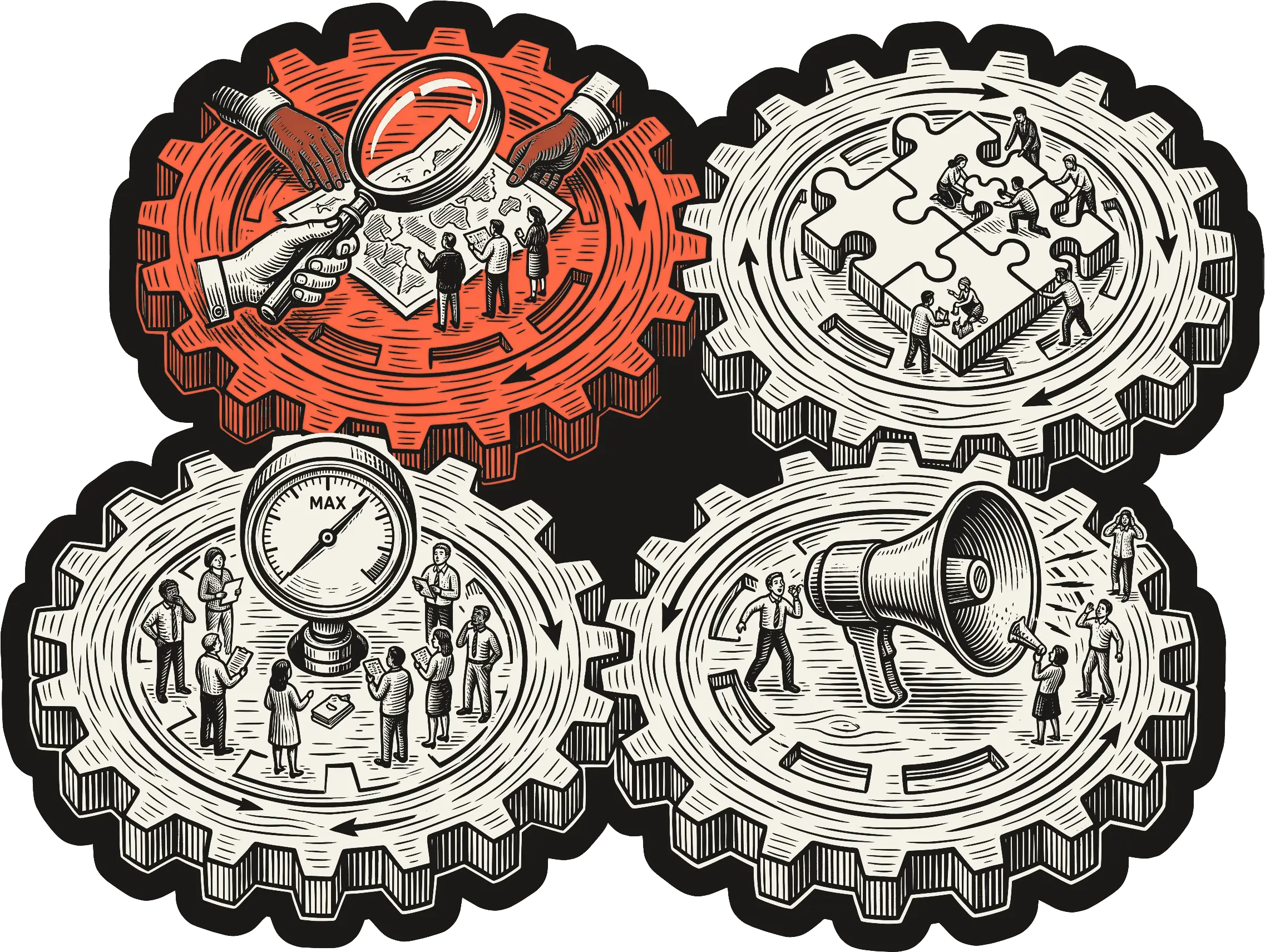
The four steps
- 01
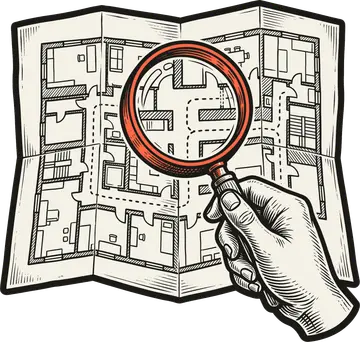
Discover
We listen to teams, read the policies and pick the behaviors that need to change.
- 02

Create
We combine topics, formats and challenges for different audiences and moments.
- 03

Run
We run missions, campaigns and competitions in continuous cycles.
- 04

Learn
We track participation and choices to guide the next cycle.
The four steps
What happens
in each one.
- 01
Discover
We listen to teams, read the policies and pick the behaviors that need to change.
What qlture does
- Interviews with teams and leaders
- Review of policies, standards and incidents
- Map of each audience’s critical decisions
What you get
A diagnosis with priorities and the design of the first cycle.
Your role
Open doors and share documents.
- 02
Create
We combine topics, formats and challenges for different audiences and moments.
What qlture does
- Missions and games built on real situations
- Calendar of campaigns and competitions
- Materials for champions and leaders
What you get
The cycle plan, ready for your review.
Your role
Validate content and tone.
- 03
Run
We run missions, campaigns and competitions in continuous cycles.
What qlture does
- Launch and internal communication
- Missions, rankings and competitions running
- Ongoing support for champions
What you get
The program running without overloading your team.
Your role
Sponsor it and give it visibility.
- 04
Learn
We track participation and choices to guide the next cycle.
What qlture does
- Tracking participation and choices
- Flagging areas of concern by team
- Recommendations for the next cycle
What you get
A clear report and the next cycle designed.
Your role
Decide the next priorities.
Metrics
How do you measure whether
the culture program works?
Course completion only tells you who got through the content. A behavior change program works when people come back every cycle, make better choices in situations close to real ones and report faster when something looks wrong. qlture tracks these indicators by team and by topic, and each cycle closes with a report and a recommendation for the next one.
Participation by team
Who takes part and who comes back from one cycle to the next, in each team.
Choices in missions
What teams decide in each situation and how that changes between cycles.
Reporting rate
How many people speak up when they see a suspicious message or request.
Time to report
How long it takes from the risky situation to the first report.
Repeat risky choices
Who makes the same risky choice again and needs specific reinforcement.
Champion engagement
How many champions are active and what they bring back from their teams.
Who does what
Roles,
clearly split.
| Stage | qlture | Your company |
|---|---|---|
| Planning | Proposes and designs | Sets priorities and approves |
| Content | Creates missions, games and campaigns | Validates policies and tone |
| Operations | Launches, runs and supports | Sponsors and communicates |
| Platform | Included, configured and maintained | Logs in and tracks progress |
| Champions | Trains and supports | Nominates people |
| Results | Measures and recommends | Decides the next cycle |
Champions
People on the inside,
with qlture behind them.
A colleague from your own team is more convincing than any company-wide email. qlture trains champions inside teams and gives them ready-made missions, coaching and recognition.
The platform
Technology included, set up by qlture.
The experience runs on a qlture platform. What you subscribe to is the program; the platform comes with it.
- Decision missions
- Short games
- Microlearning and courses
- Phishing and smishing tests
- Rankings and competitions
- Reports per cycle
Frequently asked questions
01How long is a cycle?
That is decided in planning, based on company size, audiences and calendar. Cycles can be monthly, every two months or quarterly. A two-month cycle, for example, opens with new missions, has a campaign or competition in the middle and closes with the report that shapes the next one.
02Do we need a dedicated team?
No. qlture runs the operations. On your side, you need one point person who sets priorities, opens doors across teams and approves content before it goes live. Teams nominate the champions. If you already have an awareness team, they keep the decisions and we take the campaign queue.
03How do you measure results?
By team and by topic: who takes part and who comes back, what people choose in each mission, how many report something suspicious and how long they take to do it. Each cycle’s report compares those numbers with the previous cycle and says what to reinforce next.
04Is this the same as a managed security awareness program?
For security, yes. A managed security awareness program is one an outside team plans and runs for you, and that is how qlture works. The difference is scope: the same operation also covers compliance, privacy, harassment prevention and psychosocial risks, on one calendar.
05Does the platform need integration?
qlture configures the platform for your company and maintains it. If your environment calls for an integration, it is assessed during planning, with your IT team, before the first cycle goes live.
06Can content be in other languages?
Yes. Programs for teams in more than one country can run in Portuguese, English and Spanish. Content in each language goes through the same review by your team before it reaches people.
Shall we design
your first cycle?
One conversation is enough to understand your priorities and propose a first cycle.
Let’s talk